

Category: Geopolitics

Completing the Maritime Picture: Why Regional Information Hubs Matter in the Strait of Hormuz Crisis
Geopolitics
silentsoldier2018@gmail.com

Completing the Maritime Picture: Why Regional Information Hubs Matter in the Strait of Hormuz Crisis

The recent op-ed on “Strait of Hormuz: Time for a Maritime Peacekeeping Operation?” by Christian Bueger, published on 24 March 2026 offers a compelling and well-structured analysis of one of the most consequential disruptions to global maritime trade in recent history. Its central argument that military solutions alone are insufficient to restore confidence in commercial shipping is both timely and analytically grounded. By highlighting the limitations of naval escorts, the risks of escalation and the promise of diplomatic mechanisms, the piece

Read More »
West Asian War: Strategic Lessons for Pakistan
Geopolitics
silentsoldier2018@gmail.com

West Asian War: Strategic Lessons for Pakistan

The confrontation in West Asia involving Iran, Israel, and the United States has emerged as one of the most significant demonstrations of 21st-century warfare. Unlike traditional wars dominated by large-scale ground offensives and armoured formations, this conflict has unfolded across multiple domains—missiles, drones (particularly kamikaze or loitering or suicidal drone systems), airpower, cyber and satellite operations, electronic warfare (EW), and signal intelligence (SIGINT). For military strategists, it serves as a real-time laboratory illustrating, how future wars are likely to be

Read More »
Malaysia’s Maritime Strategy and Lessons for Pakistan in Combating Non-Traditional Maritime Threats
Geopolitics
silentsoldier2018@gmail.com

Malaysia’s Maritime Strategy and Lessons for Pakistan in Combating Non-Traditional Maritime Threats

The maritime domain, specifically Indian Ocean, has great importance in international relations, because of maritime connectivity, marine resources and trading routes through sea influence economic and security relationships among countries. Besides, non-traditional maritime security (NTMS) threats like piracy, illegal fishing, marine pollution and smuggling of contraband, human trafficking and maritime terrorism have recently become a serious concern for the coastal states. Malaysia is rimming Indian Ocean in the closer proximity of Malacca Strait and has its stakes involved in the

Read More »
Series of Foreign Policies Liberal Internationalism & U.S Foreign Policy
Geopolitics
silentsoldier2018@gmail.com

Series of Foreign Policies: Liberal Internationalism & U.S Foreign Policy

Liberal internationalism is defined as the practical manifestation of Liberal value system in the field of foreign affairs and foreign policy. Though it is rooted from Political Science’s theory of Liberalism, yet, it can be safely assumed that the concept of “Liberal Internationalism” is the outward extension and practical exhibition of the theory in the realm of International Relations, Foreign Policy, and how to build a Global Liberal Order. Since the beginning of the 20th Century, liberal Internationalism has been

Read More »
MQ-9 Reaper Deployment South Korea 2025: Regional Impact
Air Warfare
silentsoldier2018@gmail.com

MQ-9 Reaper Deployment South Korea 2025

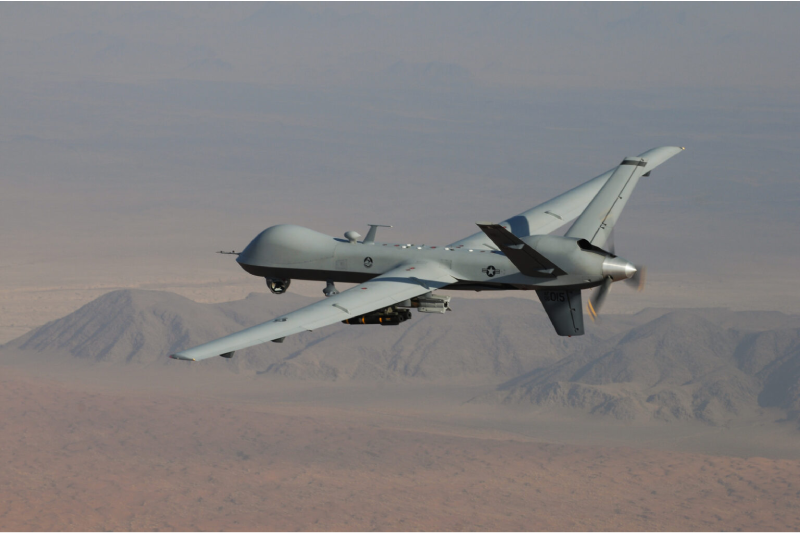
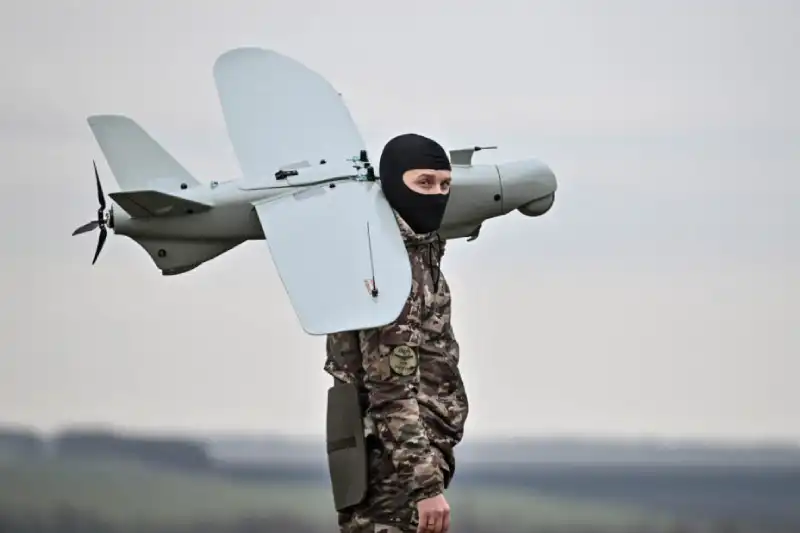
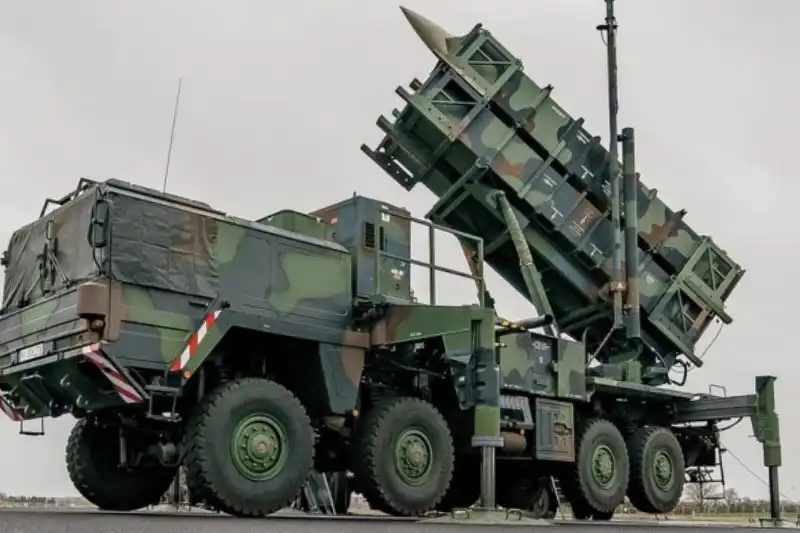
The US plans its first extended MQ-9 Reaper deployment South Korea 2025, representing a significant strategic shift in the American military presence on the Korean Peninsula. The US Air Force’s planned three-month rotation of MQ-9 Reaper drones, scheduled to begin in September 2025, marks the first extended deployment of these advanced unmanned systems to South Korean territory, signaling enhanced regional deterrence capabilities and strengthened alliance cooperation. Strategic Deployment Overview The planned deployment will position an unspecified number of MQ-9 Reaper
Read More »
Employment of Emerging Technologies in the Russia-Ukraine War
Geopolitics
silentsoldier2018@gmail.com

Employment of Emerging Technologies in the Russia-Ukraine War

Since Russia’s full-scale invasion of Ukraine in February 2022, the conflict has evolved into a testing ground for emerging, advanced, and evolving military technologies. From autonomous drone swarms to artificial intelligence-driven systems and sophisticated electronic warfare capabilities, both Russian and Ukrainian forces have adopted large-scale technological innovations. In 2024, Ukraine produced over 2 million domestically built drones, including strike quadcopters, winged reconnaissance platforms, and FPV (first-person view) systems accounting for 96% of its UAV usage. The country aims for 4.5

Read More »